
Health Provider For The Earth
Ajinomoto Indonesia focuses on sustainability by reducing plastic waste, suppressing greenhouse gas emissions, optimizing water use, and promoting a circular economy through various environmentally friendly initiatives.
Health Provider For The Earth
Ajinomoto Indonesia focuses on sustainability by reducing plastic waste, suppressing greenhouse gas emissions, optimizing water use, and promoting a circular economy through various environmentally friendly initiatives.
Plastic Waste
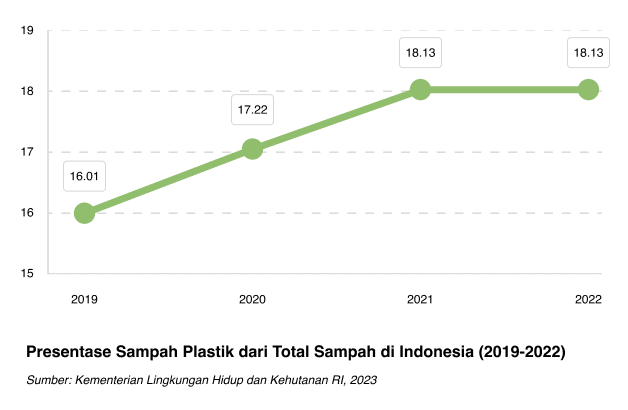
Plastic waste is the second largest type of waste found in Indonesia after food waste. Of the total 36,218,012.28 tons of waste generated nationally in 2022, 6,555,460 tons (18.1%) was plastic waste. Plastic waste takes approximately 10-20 years to decompose naturally.
Climate Change
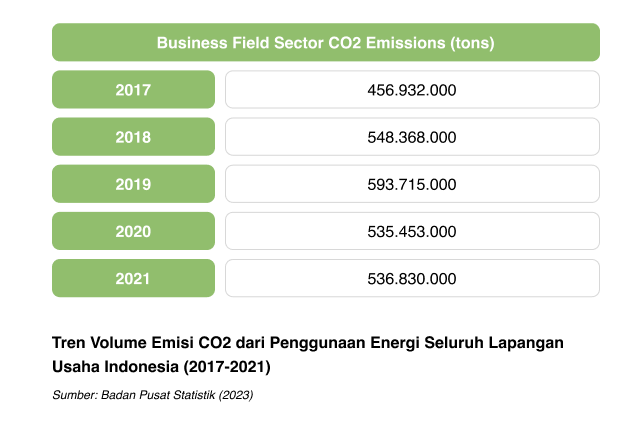
The increasing use of fuel oil (BBM), gas, and coal has led to increased greenhouse gas emissions, which will lead to changes in the Earth's environmental conditions, particularly disrupting weather and climate patterns.
Water Pollution
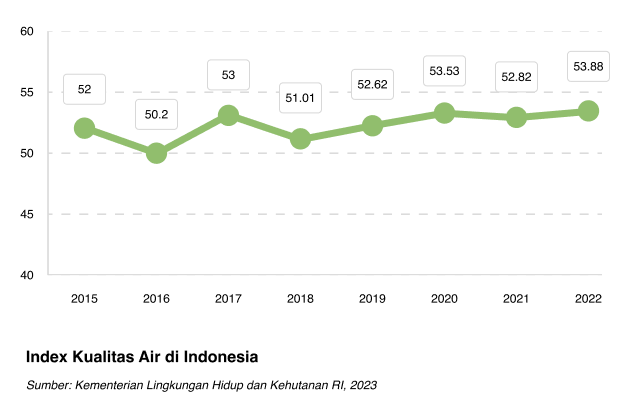
Indonesia's Water Quality Index (IKA) score was 53.88 points in 2022. This figure is the highest in the last eight years. However, this score has not yet met the 2022 target of 55.03 points.
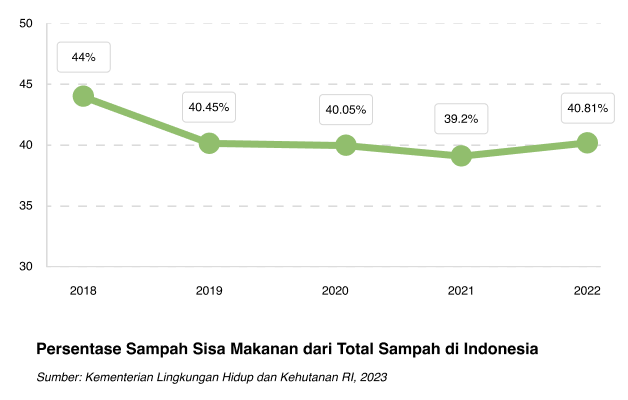
Food Loss and Food Waste
The large amount of food waste in Indonesia is caused by poor consumption patterns. Therefore, each year, the amount of food waste remains very high and constitutes the largest portion of the total national waste generated. In 2022, of the total 36,218,012.28 tons of waste generated, 14,780,570.8 tons (40.81%) was food waste.